Maximize Industrial Equipment Lifespan with Strategic Vibration Control
Publié : mar. oct. 29, 2024 3:20 am
<a href="https://vibromera.eu"><img src="https://vibromera.eu/wp-content/uploads ... YPAr64.jpg" alt="Portable Balancer Balanset-1A" /></a>
<a href="https://vibromera.eu/example/on-balanci ... >propeller balancing</a>
<html>
<head>
<title>Propeller Balancing: A Comprehensive Guide</title>
<meta name="description" content="Learn about propeller balancing techniques and benefits, including the use of the Balanset-1 device for dynamic balancing in the field.">
<meta name="keywords" content="propeller balancing, aircraft propeller balancing, Balanset-1, vibration analysis, dynamic balancing">
</head>
<body>
<h1>Understanding Propeller Balancing</h1>
<p>Propeller balancing is an essential process in maintaining the performance and safety of aircraft. This guide focuses on the dynamics of balancing aircraft propellers, particularly in field conditions using the Balanset-1 device, effectively streamlining the performance of various rotary mechanisms.</p>
<h2>Introduction to Propeller Balancing</h2>
<p>Balancing aircraft propellers helps in reducing vibrations that can lead to mechanical failure or damage due to excess stress on engine components. Vibration control is crucial for enhancing both the performance and longevity of the aircraft, as imbalances can result in adverse effects on other aircraft systems.</p>
<h2>Key Benefits of Using Balanset-1</h2>
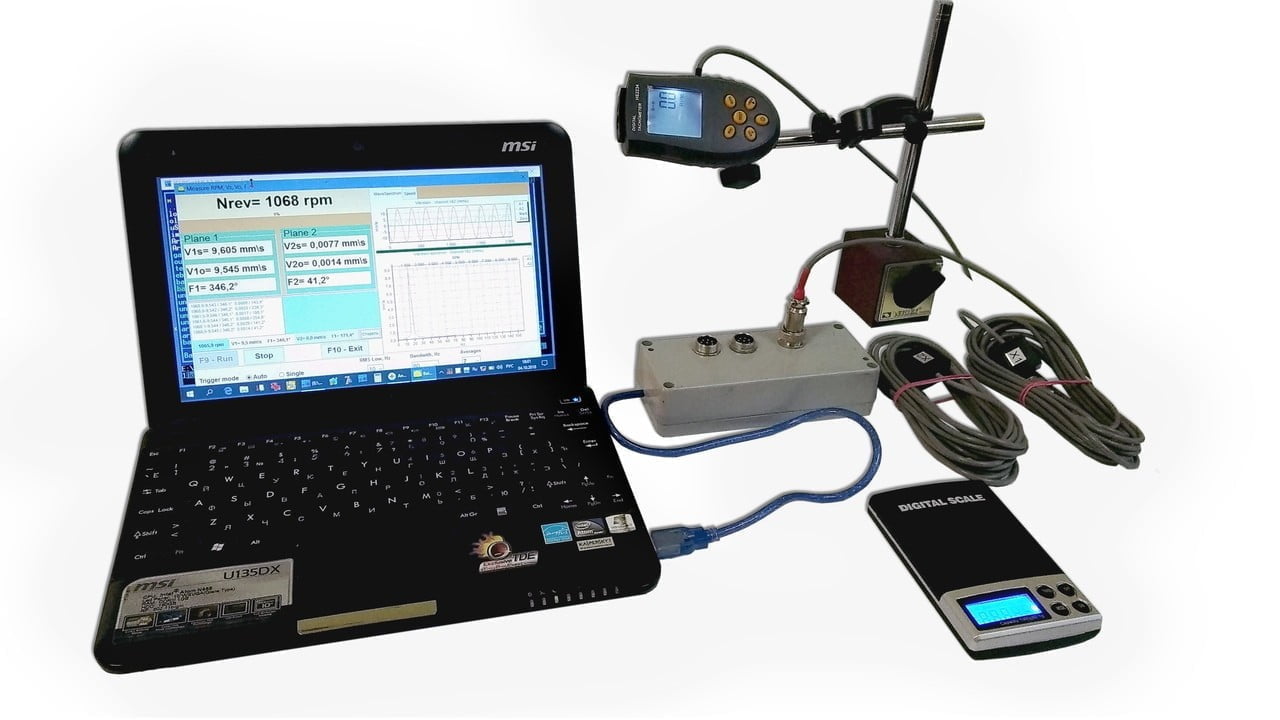
<p>The Balanset-1 is a portable balancer and vibration analyzer specifically designed for dynamic balancing. Its compact design and versatility make it highly effective for balancing various types of rotating machinery, especially aircraft propellers. Key benefits include:</p>
<ul>
<li><strong>Easy Field Deployment:</strong> The Balanset-1 can be utilized in field conditions, making it suitable for on-site maintenance.</li>
<li><strong>Dynamic Balancing:</strong> Capable of addressing both force and moment imbalances, thus improving overall aircraft performance.</li>
<li><strong>Comprehensive Data Analysis:</strong> Integrates well with software to provide detailed analysis on imbalance correction and vibration frequency detection.</li>
<li><strong>Increased Safety:</strong> Regular balancer use helps in preventing mechanical failures, contributing to safer flight experiences.</li>
</ul>
<h2>How to Balance Aircraft Propellers</h2>
<p>Balancing propellers involves several steps that leverage the capabilities of the Balanset-1 device. Here’s a simplified outline of the procedure:</p>
<ol>
<li><strong>Preparation:</strong> Ensure the Balanset-1 device and required sensors are at hand. Familiarize yourself with the installation process for vibration and phase angle sensors.</li>
<li><strong>Sensor Installation:</strong> Install the vibration sensor (accelerometer) securely onto the engine gearbox. Attach the laser phase angle sensor to the gearbox cover, focusing on a reflective mark on the propeller blade.</li>
<li><strong>Data Collection:</strong> Run the engines at specific RPMs while collecting vibration data. Use the sensors to monitor vibrations in real-time during rotations.</li>
<li><strong>Data Analysis:</strong> Transfer recorded data to the Balanset-1's connected computer for processing. The software will compute necessary corrections for the propeller's imbalance.</li>
<li><strong>Weight Adjustment:</strong> Add corrective weights based on calculated results to the propeller at designated angles. This step is crucial for compensating for any detected imbalances.</li>
<li><strong>Verification:</strong> Conduct a follow-up analysis to confirm that vibration levels have decreased to acceptable thresholds.</li>
</ol>
<h2>Real-World Applications</h2>
<p>Field testing utilizing the Balanset-1 device has demonstrated its effectiveness in balancing propellers of various aircraft, including the Yak-52 and Su-29 models. By implementing the balancing procedures outlined above, stability and vibration metrics showed significant improvement:</p>
<ul>
<li>Vibration levels decreased from 10.2 mm/sec to 4.2 mm/sec after balancing on the Yak-52.</li>
<li>Dynamic balances were achieved even under varying propeller rotation frequencies, enhancing the aircraft's operational capabilities.</li>
</ul>
<h2>Significance of Vibration Monitoring</h2>
<p>Consistent vibration monitoring is central to maintaining propeller balance and overall aircraft integrity. Understanding natural frequencies of system components can help detect potential issues. Training aircrew and maintenance personnel to conduct periodic checks ensures timely maintenance and operational readiness.</p>
<h2>Conclusion</h2>
<p>Effective propeller balancing is vital for aircraft performance and safety. Utilizing tools like the Balanset-1 for both dynamic balancing and vibration analysis is recommended for field professionals aiming to ensure optimal functioning of their aircraft’s propeller systems. Regular maintenance and monitoring can lead to improved performance, longevity, and safety of the aircraft fleet.</p>
</body>
</html>
Instagram: https://www.instagram.com/vibromera_ou/
Youtube : https://www.youtube.com/@vibromera
<a href="https://vibromera.eu/example/on-balanci ... >propeller balancing</a>
<html>
<head>
<title>Propeller Balancing: A Comprehensive Guide</title>
<meta name="description" content="Learn about propeller balancing techniques and benefits, including the use of the Balanset-1 device for dynamic balancing in the field.">
<meta name="keywords" content="propeller balancing, aircraft propeller balancing, Balanset-1, vibration analysis, dynamic balancing">
</head>
<body>
<h1>Understanding Propeller Balancing</h1>
<p>Propeller balancing is an essential process in maintaining the performance and safety of aircraft. This guide focuses on the dynamics of balancing aircraft propellers, particularly in field conditions using the Balanset-1 device, effectively streamlining the performance of various rotary mechanisms.</p>
<h2>Introduction to Propeller Balancing</h2>
<p>Balancing aircraft propellers helps in reducing vibrations that can lead to mechanical failure or damage due to excess stress on engine components. Vibration control is crucial for enhancing both the performance and longevity of the aircraft, as imbalances can result in adverse effects on other aircraft systems.</p>
<h2>Key Benefits of Using Balanset-1</h2>
<p>The Balanset-1 is a portable balancer and vibration analyzer specifically designed for dynamic balancing. Its compact design and versatility make it highly effective for balancing various types of rotating machinery, especially aircraft propellers. Key benefits include:</p>
<ul>
<li><strong>Easy Field Deployment:</strong> The Balanset-1 can be utilized in field conditions, making it suitable for on-site maintenance.</li>
<li><strong>Dynamic Balancing:</strong> Capable of addressing both force and moment imbalances, thus improving overall aircraft performance.</li>
<li><strong>Comprehensive Data Analysis:</strong> Integrates well with software to provide detailed analysis on imbalance correction and vibration frequency detection.</li>
<li><strong>Increased Safety:</strong> Regular balancer use helps in preventing mechanical failures, contributing to safer flight experiences.</li>
</ul>
<h2>How to Balance Aircraft Propellers</h2>
<p>Balancing propellers involves several steps that leverage the capabilities of the Balanset-1 device. Here’s a simplified outline of the procedure:</p>
<ol>
<li><strong>Preparation:</strong> Ensure the Balanset-1 device and required sensors are at hand. Familiarize yourself with the installation process for vibration and phase angle sensors.</li>
<li><strong>Sensor Installation:</strong> Install the vibration sensor (accelerometer) securely onto the engine gearbox. Attach the laser phase angle sensor to the gearbox cover, focusing on a reflective mark on the propeller blade.</li>
<li><strong>Data Collection:</strong> Run the engines at specific RPMs while collecting vibration data. Use the sensors to monitor vibrations in real-time during rotations.</li>
<li><strong>Data Analysis:</strong> Transfer recorded data to the Balanset-1's connected computer for processing. The software will compute necessary corrections for the propeller's imbalance.</li>
<li><strong>Weight Adjustment:</strong> Add corrective weights based on calculated results to the propeller at designated angles. This step is crucial for compensating for any detected imbalances.</li>
<li><strong>Verification:</strong> Conduct a follow-up analysis to confirm that vibration levels have decreased to acceptable thresholds.</li>
</ol>
<h2>Real-World Applications</h2>
<p>Field testing utilizing the Balanset-1 device has demonstrated its effectiveness in balancing propellers of various aircraft, including the Yak-52 and Su-29 models. By implementing the balancing procedures outlined above, stability and vibration metrics showed significant improvement:</p>
<ul>
<li>Vibration levels decreased from 10.2 mm/sec to 4.2 mm/sec after balancing on the Yak-52.</li>
<li>Dynamic balances were achieved even under varying propeller rotation frequencies, enhancing the aircraft's operational capabilities.</li>
</ul>
<h2>Significance of Vibration Monitoring</h2>
<p>Consistent vibration monitoring is central to maintaining propeller balance and overall aircraft integrity. Understanding natural frequencies of system components can help detect potential issues. Training aircrew and maintenance personnel to conduct periodic checks ensures timely maintenance and operational readiness.</p>
<h2>Conclusion</h2>
<p>Effective propeller balancing is vital for aircraft performance and safety. Utilizing tools like the Balanset-1 for both dynamic balancing and vibration analysis is recommended for field professionals aiming to ensure optimal functioning of their aircraft’s propeller systems. Regular maintenance and monitoring can lead to improved performance, longevity, and safety of the aircraft fleet.</p>
</body>
</html>
Instagram: https://www.instagram.com/vibromera_ou/
Youtube : https://www.youtube.com/@vibromera